
Signaling and Communication with Light: SOS

Flashlights: A Fundamental Tool
A reliable flashlight is a cornerstone of any emergency kit. Here’s how to make the most of this light source:
SOS Signal:
The international distress signal, SOS, can be transmitted using a flashlight. Simply shine the light in a pattern of three short flashes, followed by three long flashes, and then three short flashes again. This universally recognized signal indicates that you are in need of assistance.
Remember that the SOS signal (· · · — — — · · ·) is an essential code to know for emergencies.
Color Filters:
Some flashlights come with color filters. Red light, for example, helps maintain night vision when reading maps or charts, while green light are for signaling without alerting potential threats. Here’s how to use them effectively:
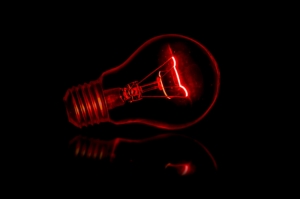
- Red Filters: Red light is ideal for low-light situations as it preserves your night vision, making it easier to read maps, charts, and documents in the dark. Here’s how you can maximize the utility of red filters:
- Night Vision: When in a dark environment, especially with a group, the sudden burst of white light from a regular flashlight can temporarily blind everyone, including yourself. A red filter on your flashlight maintains your night vision while still providing adequate illumination.
- Subtle Signaling: Red light can be used for subtle signaling among a group without alerting potential threats. It’s less likely to be seen from a distance compared to white light, making it a valuable tool for maintaining covert operations during an emergency
- Green Filters: Green filters are less common but can be handy in certain situations. Here’s how they can be beneficial:
-
- Enhanced Visibility: Green light is easy for the human eye to distinguish, and it’s often used in emergency situations to improve visibility. Green filters can increase the range of your signaling or provide a more noticeable light source.
- Wilderness Signaling: In a wilderness setting, where the surroundings are predominantly green, using a green light can make your signals stand out against the natural backdrop.
When adding color filters to your flashlight, ensure they are of high quality and specifically designed for your flashlight model. Poorly fitted or low-quality filters reduce the intensity of your light and potentially compromise their effectiveness. Practice using the filters to familiarize yourself with the different lighting conditions and their applications.
Signal Mirrors: Reflecting Hope
Signal mirrors are designed for long-distance signaling and are particularly effective in sunny conditions. To use a signal mirror: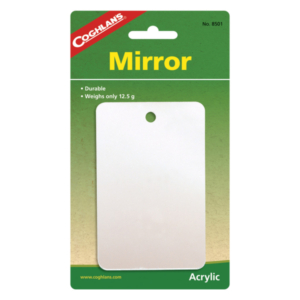
- Aim the Mirror: Position the mirror so that it reflects sunlight onto your target. This can be an aircraft, boat, or rescue team.
- Flash the Target: Tilt the mirror to aim the reflected sunlight at your target. The flashing light will catch their attention.
Glow Sticks: Low-Light Signaling
Glow sticks are a portable, low-light source that can be seen from a distance. To signal for help using a glow stick, activate it and wave it in a conspicuous manner during low-light conditions. It also serves as a low light source if you are stuck in the darkness.
Smartphone Flashlight: Modern Signaling
Most smartphones have built-in flashlights. Use your phone’s flashlight to signal for help by repeatedly turning it on and off in a pattern, such as the SOS signal or other recognizable sequences. Be cautious of your battery levels, unless you have backup power banks. Use your battery life wisely!
Strobe Lights: Attention-Grabbing Flashes
Strobe lights are designed for high-visibility signaling. They emit bright, rapid flashes of light. These are particularly effective for attracting attention in low-visibility situations. You might be thinking, “how and why on earth would I carry a strobe light while out in the great outdoors?” The why is for emergencies, but the how is simpler than you might think! Many flashlights have this feature already included, and as it turns out, it was not created solely to annoy parents! Headlights often have this strobe option as well.
In times of crisis, your ability to signal and communicate with light can make all the difference. Whether stranded in the wilderness or facing an emergency, knowing how to use light as a beacon of hope can connect you with help, your loved ones, or a rescue team. Remember to include a variety of light sources and signaling tools in your emergency kit to be fully prepared for any situation.

