
Being Prepared with Celiac Disease: A Gluten-Free Perspective
Emergencies can happen at any time, and being prepared is essential for everyone. However, individuals with specific dietary restrictions face unique challenges when it comes to emergency preparedness. In this article, we will explore what celiac disease is and provide valuable insights on how to be prepared for emergencies when you require gluten-free food.
Understanding Celiac Disease
Celiac disease is an autoimmune disorder that affects the small intestine. When individuals with celiac disease consume gluten (a protein found in wheat, barley, and rye) their immune system responds by damaging the lining of the small intestine. This causes the body to stop being able to absorb the essential nutrients our bodies require. This also leads to a range of digestive and systemic symptoms, including diarrhea, abdominal pain, fatigue, and skin rashes. The only effective treatment for celiac disease is a strict gluten-free diet. Even a tiny amount of gluten can trigger a reaction, making dietary vigilance necessary.
Gluten-free also refers to a dietary choice in which individuals voluntarily avoid foods containing gluten, often to address sensitivities, lifestyle preferences, or diets. Celiac disease necessitates a strict, lifelong gluten-free diet, while voluntarily gluten-free eating is typically made by those without a medical condition. Note: there is also a wheat allergy, which also differs from celiac & gluten-free preference.
- For the sake of the article, I am writing it from the perspective of a celiac. As a mother of a child with celiac disease, I can attest to the severity of cross contamination and safety of ingredients, and have a soft spot in my heart for anyone living with this difficult disease. This article can be adjusted to fit the needs of someone choosing a gluten-free lifestyle as well!
Emergency Preparedness for a Celiac
Always Have an Emergency Supply
For individuals with celiac disease, maintaining a gluten-free diet is non-negotiable. That’s why it’s vital to have an emergency supply of gluten-free food and necessary supplies. This includes non-perishable gluten-free items such as canned fruits and vegetables, gluten-free crackers, pasta & sauce, rice, beans, or gluten-free granola bars. This link takes you to our site and you can see all of the gluten free food items we carry!

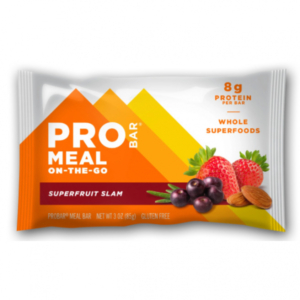
Pro-Tip: My son has taken premade meals as backup food for youth camps or even going to grandma and grandpa’s house. It provides him a food option, and it’s a safe food alternative for day-to-day use where there might not otherwise be. He has not yet travelled away on a plane, but these pre-made meals would be excellent choices to pack on vacation.
Customize Your Emergency Kit
When assembling an emergency kit, it’s important to customize to your specific needs. In addition to the standard emergency items like water, flashlight, first-aid supplies, and important documents, consider adding gluten-free items. If you rely on gluten-free snacks or meal replacements, make sure to include those in your kit. Remember to replace and update your kit regularly to ensure food safety.
Communication is Key
Inform your close friends, family, and neighbors about your dietary restrictions, so they can assist or provide support if needed. Share your medical condition and emergency plan with trusted individuals who can help advocate for your dietary needs during evacuation or sheltering.
Plan for Safe Food Storage
In the event of an emergency, you may find yourself without electricity or refrigeration. Plan for food storage accordingly. Gluten-free goodies, nut butters, and freeze-dried fruits are good options that do not require refrigeration.
Learn to Read Labels
Familiarize yourself with reading food labels to identify gluten-containing ingredients. In a crisis, you may have limited options and need to quickly assess what is safe to eat. Knowledge of label-reading is a necessary skill for anyone with celiac disease.
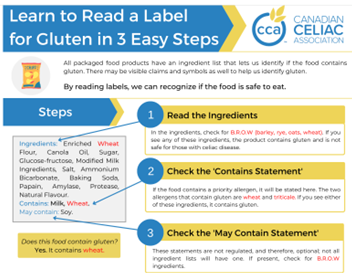
PDF: Learn-to-Read-a-Label-for-Gluten-in-3-Easy-Steps
Safe Cookware
Celiac’s must have cookware and dishes available that are not cross-contaminated and allows for safe consumption of their food. Be sure you add to these things to an emergency kit and plan to have the necessary supplies.
What is Cross-Contamination?
Cross contamination refers to the unintentional transfer of gluten from a gluten-containing food or surface to a gluten-free food. Even tiny amounts of gluten can trigger a reaction and cause harm.
Cross contamination can occur in various ways:
- Shared Cooking Surfaces: If gluten-free foods are prepared or cooked on surfaces or with utensils that have been in contact with gluten-containing ingredients, there’s a risk of cross contamination.
-
- For example, using a toaster that has had regular bread in it for gluten-free bread can lead to cross contamination.
-
- Mixing Utensils: If utensils like knives, cutting boards, or stirring spoons are used interchangeably between gluten-containing and gluten-free foods, gluten particles can be transferred.
- Fryers: Shared fryers in restaurants or at home can be a significant source of cross contamination. If gluten-free items are fried in the same oil as breaded items, the oil becomes contaminated.
- Bulk Food Bins: Scooping gluten-free grains or flours from bulk bins that have previously held gluten-containing products introduces gluten into the gluten-free food.
- Condiments and Spreads: Shared condiment jars, butter containers, or peanut butter jars become contaminated if used with regular bread or crackers.
- Double-Dipping: If someone dips a regular piece of bread into a gluten-free dip, it contaminates the entire container.
To avoid cross contamination and protect those with celiac disease, it’s important to:
- Use separate cooking utensils, cutting boards, and cookware for gluten-free and gluten-containing items.
- Clean and sanitize surfaces thoroughly before preparing gluten-free foods.
- Clearly label gluten-free items and keep them separate in the pantry and refrigerator.
- Educate family members, friends, and foodservice staff about the importance of preventing cross contamination.
- Choose certified gluten-free products whenever possible.
- Be cautious when dining out and communicate your dietary needs to restaurant staff.
Emergencies can be unsettling for anyone, but for individuals with celiac disease, the situation can be even more challenging due to dietary restrictions. However, with careful planning, communication, and resource awareness, you can ensure that you are prepared for any unexpected event. By maintaining an emergency supply of gluten-free food, customizing your kit, and building a support network, you can confidently navigate emergency situations and continue to manage your celiac disease safely. Always remember that knowledge is your best asset when it comes to emergency preparedness, and being informed can make a world of difference when you have specific dietary needs like those associated with celiac disease.

