
Vegan or Vegetarian Emergency Preparedness: You Got This!

Being a vegetarian or vegan in a world where dietary preferences vary can sometimes be a challenge, especially in emergency situations. In this article, we will delve into what this means for you and provide practical advice on how to be prepared for emergencies while following a vegetarian or vegan diet.
Understanding Vegetarianism & Veganism
Vegetarianism is a dietary and lifestyle choice that involves abstaining from consuming the flesh of animals, such as meat, poultry, and seafood. Vegetarians
predominantly rely on plant-based foods. The extent to which they avoid animal products vary. There are different types of vegetarians, including:
- Lacto-Ovo Vegetarians: These individuals exclude meat, poultry, and seafood from their diet but consume dairy products (lacto) and eggs (ovo).
- Lacto-Vegetarians: Lacto-vegetarians avoid meat, poultry, seafood, and eggs but include dairy products in their diet.
- Ovo-Vegetarians: Ovo-vegetarians exclude meat, poultry, seafood, and dairy products but incorporate eggs into their diet.
- Vegans: Vegans follow the strictest form of vegetarianism, avoiding all animal products, including meat, dairy, eggs, and even honey.
Vegetarian vs. Vegan: What’s the Difference?
While both avoid meat, poultry, and seafood, the key distinction lies in the consumption of animal-derived products. Vegans exclude all animal products, including dairy and eggs, while vegetarians may include these in their diet depending on their specific type of vegetarianism. This difference in dietary preferences is important to keep in mind, especially in emergency situations where vegetarian food options may be more readily available than vegan alternatives.
Emergency Preparedness for Vegetarians
- Maintain a Well-Stocked Pantry: Ensure your pantry is well-stocked with non-perishable staples like beans, lentils, rice, pasta, canned fruits and vegetables, nuts, and seeds.
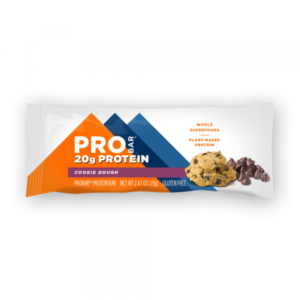
- Protein Sources: In case of emergencies, it’s essential to have alternative protein sources on hand. Vegetarian protein options include canned beans, tofu, and protein-rich plant-based snacks. Nut butter is also an excellent source of protein and healthy fats.
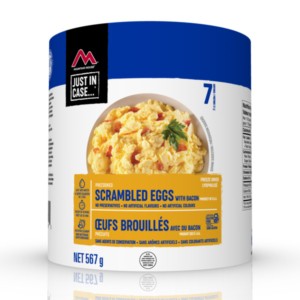
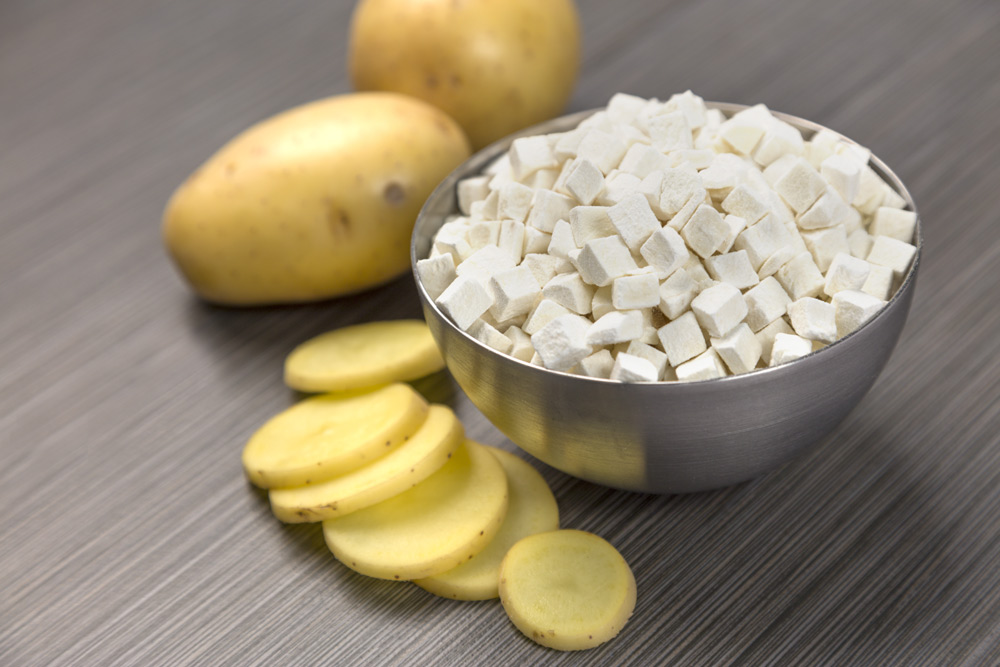
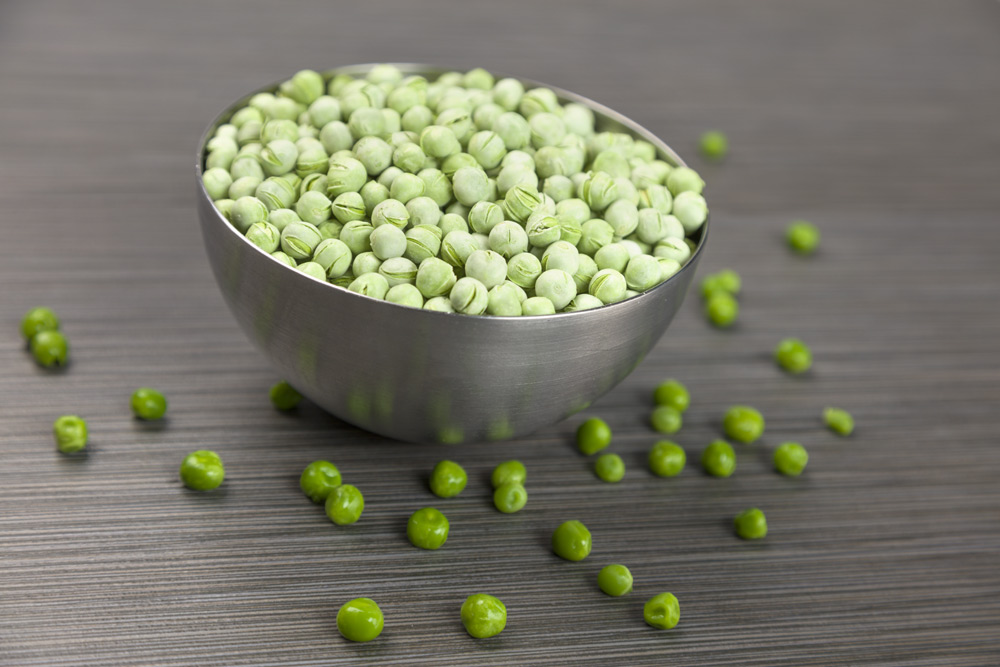
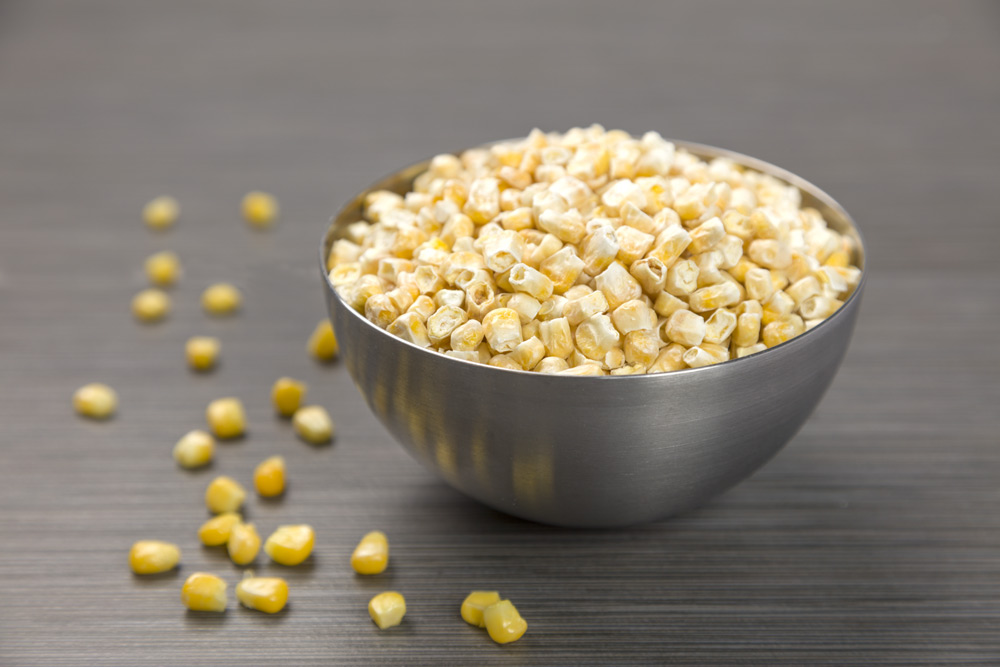
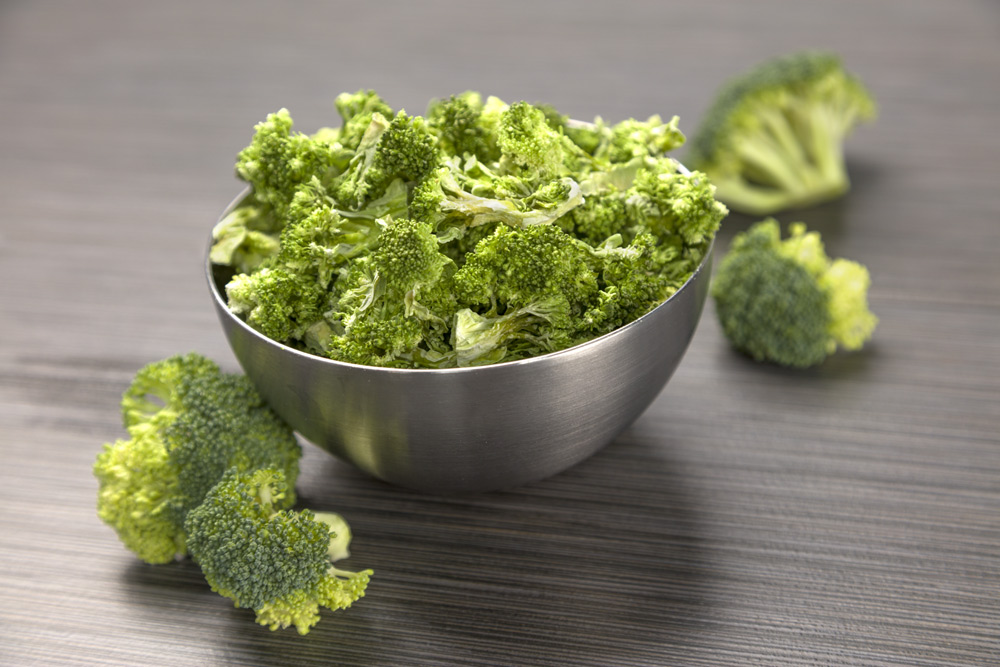
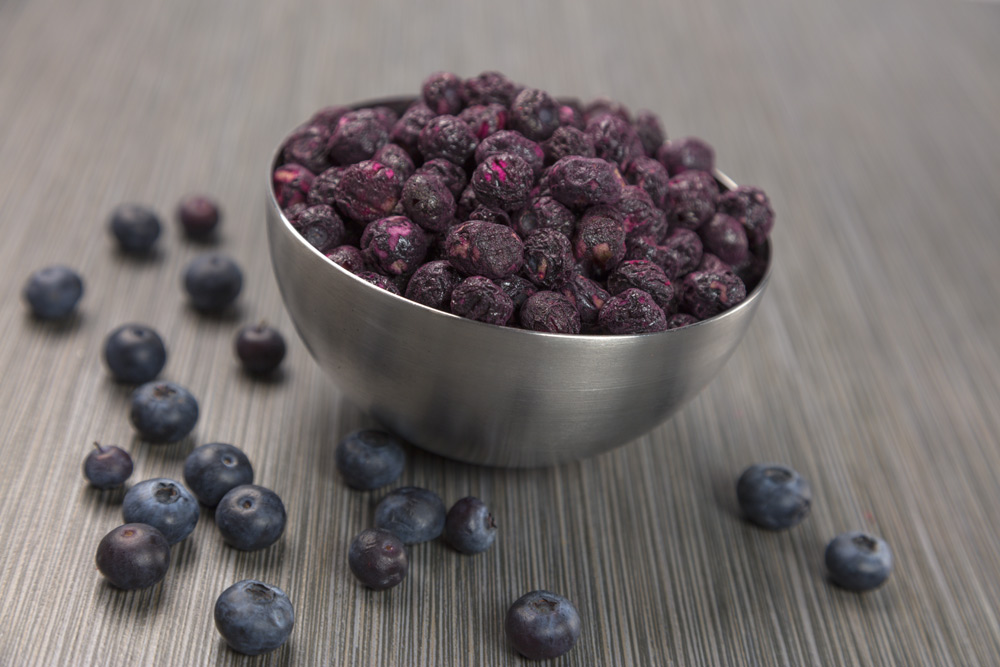
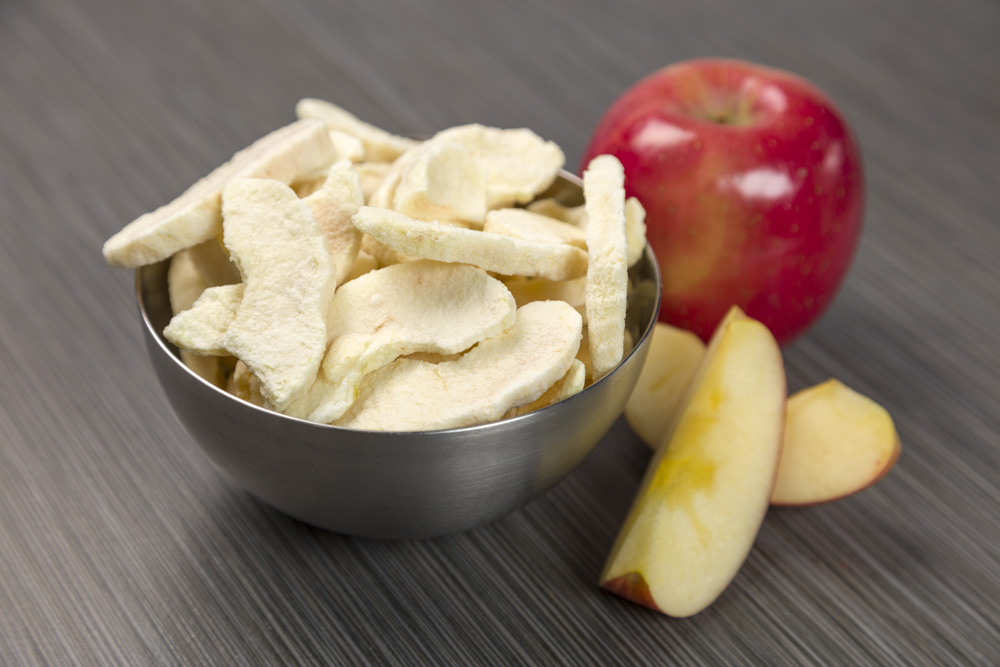
- Dried and Freeze-Dried Foods: Explore the option of dried and freeze-dried vegetarian foods, (or these vegan food options if you prefer) such as dried fruits, freeze-dried vegetables, and vegetarian freeze-dried meals. These can be convenient and nutritious choices for emergency situations.
- Water and Hydration: Vegetarians need to ensure access to clean water and electrolyte sources in emergencies. Consider including electrolyte powder or tablets in your emergency kit.
- Alternative Cooking Methods: Familiarize yourself with alternative cooking methods in case you are without access to electricity or gas. Portable stoves, solar ovens, and camping cookware can be valuable assets for preparing vegetarian meals.
- Communication: Inform your family, friends, and anyone you may be sheltering with about your vegetarian dietary preferences, so they can assist in sourcing suitable food options or making accommodations if necessary.




Nutritional Considerations
Both vegans and vegetarians need to pay careful attention to certain nutrients to ensure they maintain a balanced and healthy diet. Here are some key nutrient considerations for consideration:
- Protein: While plant-based diets can provide adequate protein, vegans and vegetarians should ensure they consume a variety of protein sources. Legumes (such as beans, lentils, and chickpeas), tofu, tempeh, seitan, nuts, seeds, and whole grains are excellent options.
- Vitamin B12: Vitamin B12 is primarily found in animal products. Consider supplementation or consume fortified foods like plant-based milk, breakfast cereals, or nutritional yeast. Some vegetarians who consume dairy may get sufficient B12 from dairy products.
- Iron: Plant-based sources of iron include beans, lentils, tofu, and fortified cereals. To enhance iron absorption, add vitamin C-rich foods like citrus fruits and bell peppers in your meals.
- Calcium: Vegetarians who consume leafy greens and dairy products often get enough calcium from these sources. Vegans can choose fortified plant-based milk, calcium-set tofu, leafy greens, and calcium-fortified orange juice to meet their calcium needs.
- Omega-3 Fatty Acids: Omega-3 fatty acids, particularly EPA and DHA, are found in fatty fish. Vegans can obtain these essential fatty acids from flaxseeds, chia seeds, walnuts, and oil supplements.
- Vitamin D: Vitamin D is important for calcium absorption and bone health. Vegans and vegetarians can obtain vitamin D through fortified foods, sunlight exposure, and supplement. Vitamin D levels should be monitored, especially for individuals with limited sun exposure (ex: long winters).
More Considerations:
- Zinc: Plant-based sources of zinc include legumes, whole grains, nuts, and seeds.

- Iodine: Vegans can get iodine from iodized salt, seaweed, and supplements if their dietary intake is insufficient. Some vegetarians who consume dairy may also obtain iodine from dairy products.
- Fiber: Vegetarians and vegans typically have higher fiber intakes due to their plant-based diets. This can be beneficial for digestion, but individuals should ensure they drink plenty of water and gradually increase their fiber intake to avoid digestive discomfort.
- Vitamin A: While animal sources provide vitamin A in the form of retinol, vegans can get provitamin A (beta-carotene) from colorful fruits and vegetables like carrots, sweet potatoes, and kale. Vegetarians may also obtain retinol from dairy and eggs.
- Protein Quality: Vegans and vegetarians should aim for a variety of protein sources to ensure they get a full range of essential amino acid
- Energy Intake: Plant-based diets can sometimes be less calorie-dense, so vegans and vegetarians should be mindful of their energy intake and eat enough to meet their daily energy needs. It is easy to fall victim to unhealthy food due to “lack of availability”, depriving nutritional value.
It’s important to note that the specific nutrient requirements can vary based on individual factors, including age, gender, activity level, and overall health. Consulting a healthcare professional or registered dietitian with expertise in vegan and vegetarian nutrition can provide personalized guidance and ensure all your nutritional needs are met.
Conclusion
Being a vegetarian or vegan comes with its own set of dietary considerations, even more so during emergencies. By understanding the various forms of vegetarianism, and preparing for unexpected situations, you can ensure that your dietary needs are met even in challenging times. A well-stocked pantry, knowledge of alternative protein sources, and proactive communication with your support network help to navigating emergencies. Remember that with careful planning, you can maintain your vegetarian lifestyle even while working through any unexpected events.

