
What Are Oxygen Absorbers?
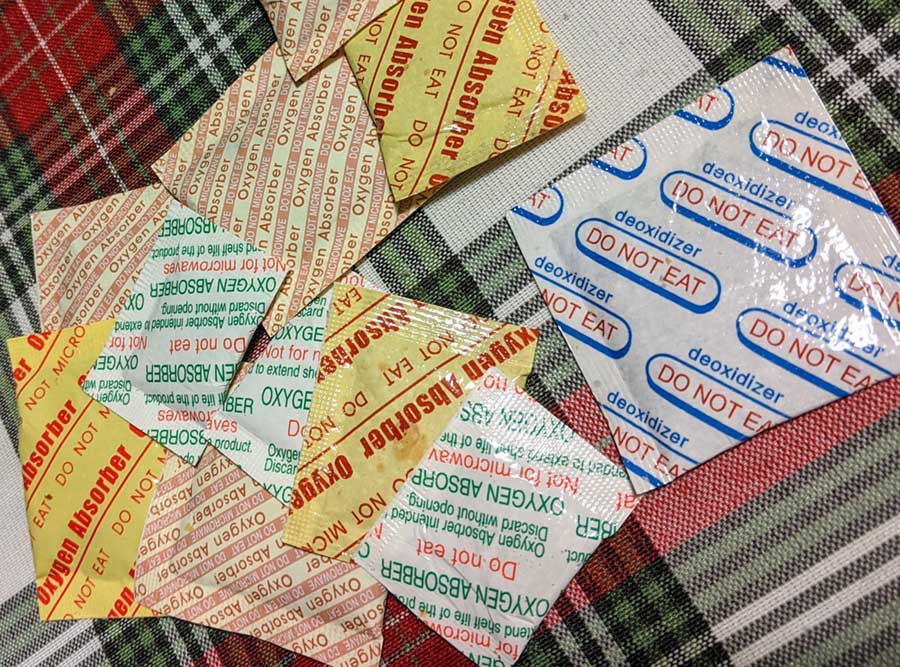
Oxygen absorbers, those little packets found inside sealed packages, play a role in the preservation of a wide range of products. These small sachets contain iron powder and other materials designed to absorb and eliminate oxygen from the surrounding environment within a sealed container. But why are they so important? In this article, we will explore the world of oxygen absorbers in greater detail, offering insights into their functions, benefits, and applications.
The Role of Oxygen in Spoilage
Understanding the role of oxygen in the spoilage of various products helps to understand why we use oxygen absorbers. Oxygen, while essential for human breathing, also is a primary contributor to the degradation and spoilage of many foods. Here’s wh:
1. Oxidation: Oxygen promotes oxidation, a chemical reaction that leads to the breakdown of molecules. In food, this can result in changes in flavor, color, texture, and nutritional content. Think of the browning of sliced apples or the stale taste of exposed bread – both are consequences of oxidation.
2. Microbial Growth: Many spoilage-causing microorganisms, including bacteria, molds, and yeast, require oxygen for growth. Oxygen absorbers work to create an environment with lower oxygen levels, thereby inhibiting or even halting the life of these microorganisms and reducing the risk of spoilage.
3. Rancidity Prevention: Fats and oils are particularly vulnerable to rancidity, a process that generates unpleasant odors and off-flavors. Oxygen absorbers help protect fats and oils from going rancid by reducing the presence of oxygen in the packaging.
How Oxygen Absorbers Work
Oxygen absorbers operate on a simple yet effective principle: they chemically react with and “absorb” the oxygen present in a sealed environment. The key components of an oxygen absorber typically include iron powder, salt, and an absorbent material. The iron powder undergoes a chemical reaction in the presence of oxygen. This reaction not only removes oxygen but also generates heat as a byproduct. (Which by the way, is how hand warmers work.) Oxygen absorber packets are not toxic, unless consumed in massive quantities.
- A study published in 2015 shows that “The average human weighing 70 kg would have to eat 448 × 100 cc oxygen absorbers before the LD50 (lethal dose) for toxicity is reached.” An oxygen absorber is fully safe to come in contact with foods, even though it should not be consumed because of the choking hazard.
Consider the following scenario: you’re packing a bag of dehydrated fruits for long-term storage. By placing an oxygen absorber inside the bag and sealing it, you create an environment with reduced oxygen levels. As the oxygen absorber reacts with the oxygen present, it converts the iron powder into rust, effectively eliminating the threat of oxidation, microbial growth, and rancidity.
Do I Keep It In or Throw it Out?
After opening a package containing an oxygen absorber, it’s generally recommended to discard the oxygen absorber rather than keeping it. Oxygen absorbers are typically designed for one-time use and can become saturated after exposure to air, losing their effectiveness at absorbing oxygen. Based on the chemical reaction that oxygen absorbers have once exposed to the air, like a hand warmer, once exposed to the oxygen the chemical reaction does not re-occur.
Applications of Oxygen Absorbers
Oxygen absorbers find a wide range of applications in various industries, each with its unique preservation challenges. Here are some examples:
- Food Storage: Maintains lengthened shelf life of various foods.
- Pharmaceutical and Medical Products: Oxygen-sensitive medications, diagnostic test strips, and sensitive medical equipment.
- Electronics and Metal Products: Can prevent corrosion and oxidation of sensitive components during storage and shipping.
- Artifacts and Collectibles: For museums and collectors, they protect valuable artifacts and documents from deterioration due to oxygen exposure.
Conclusion:
Oxygen absorbers are silent protectors that help maintain the quality, safety, and shelf life of a diverse range of products. Proper usage, in conjunction with appropriate packaging materials, is key to maximizing the effectiveness of these small but powerful preservation tools.
Keep these in mind in your future endeavors sealing your own food from home!

