Plant Hardiness Zones – What Are They?
Oh Canada! Canada’s diverse geography and climate offer a unique challenge for gardeners and horticulturists. The key to successful gardening here lies in understanding Canada’s plant hardiness zones. Today lets explore these zones, what they mean, how they work, and how they can help you make informed decisions for your garden.
What Are Plant Hardiness Zones?
Plant hardiness zones, or growing zones are geographic areas that share similar climate conditions, particularly in terms of minimum temperatures. These zones are determined by the average lowest temperatures during the winter months and help gardeners select plants that can survive and thrive in their specific region.
The Canadian Plant Hardiness Zones
Canada, as one of the largest countries in the world, encompasses a wide range of climates, from the frigid Arctic tundra in the north to temperate coastal areas in the south. Our government has some great information regarding this here. To assist Canadian gardeners, the country is divided into several plant hardiness zones:

Canada’s Plant Hardiness Zones PDF
Here’s a general overview of what you can grow in different plant hardiness zones:
(Arctic) Zone 1:
- Arctic and subarctic regions with extremely cold winters.
- Limited plant options; primarily native species adapted to extreme cold.
- Examples: Arctic poppy, arctic willow.
Zone 2:
- Cold regions with short growing seasons.
- Hardy vegetables, fruits, and ornamentals.
- Examples: Cabbage, carrots, apples beets, chard, raspberries
(Calgary) Zone 3:
- Cold regions with somewhat longer growing seasons.
- A wider range of vegetables and fruits.
- Examples: Broccoli, potatoes, strawberries, green beans, peas
Zone 4:
- Moderate climates with well-defined seasons.
- Most common garden crops.
- Examples: Tomatoes, peppers, apples, peonies, squash
(Southern) Zone 5:
- Regions with milder winters and a longer growing season.
- A wide variety of fruits, vegetables, and perennials.
- Examples: Lettuce, squash, raspberries, roses, most vegetables
(Coast) Zone 6:
- Areas with mild winters and a longer growing season.
- Extensive plant choices, including many ornamental plants.
- Examples: Spinach, corn, azaleas, most fruits and vegetables
(Coast) Zone 7:
- Mild to warm climates with longer growing seasons.
- Almost all common garden plants and many subtropicals.
- Examples: Tomatoes, citrus trees, camellias.
Zone 8:
- Warm regions with hot summers.
- A wide range of tropical and subtropical plants.
- Examples: Peppers, figs, hibiscus.
Zone 9:
- Warm to hot climates with extended growing seasons.
- Suitable for many tropical and subtropical crops.
- Examples: Okra, avocados, plumeria.
(Not in Canada) Zone 10:
- Tropical climates with high temperatures year-round.
- Ideal for tropical and exotic plants.
- Examples: Pineapples, bananas, orchids.
Plant Zones: Select Plants Wisely
When planning your garden choose plants that are recommended for your zone. These plants are more likely to survive and grow successfully.
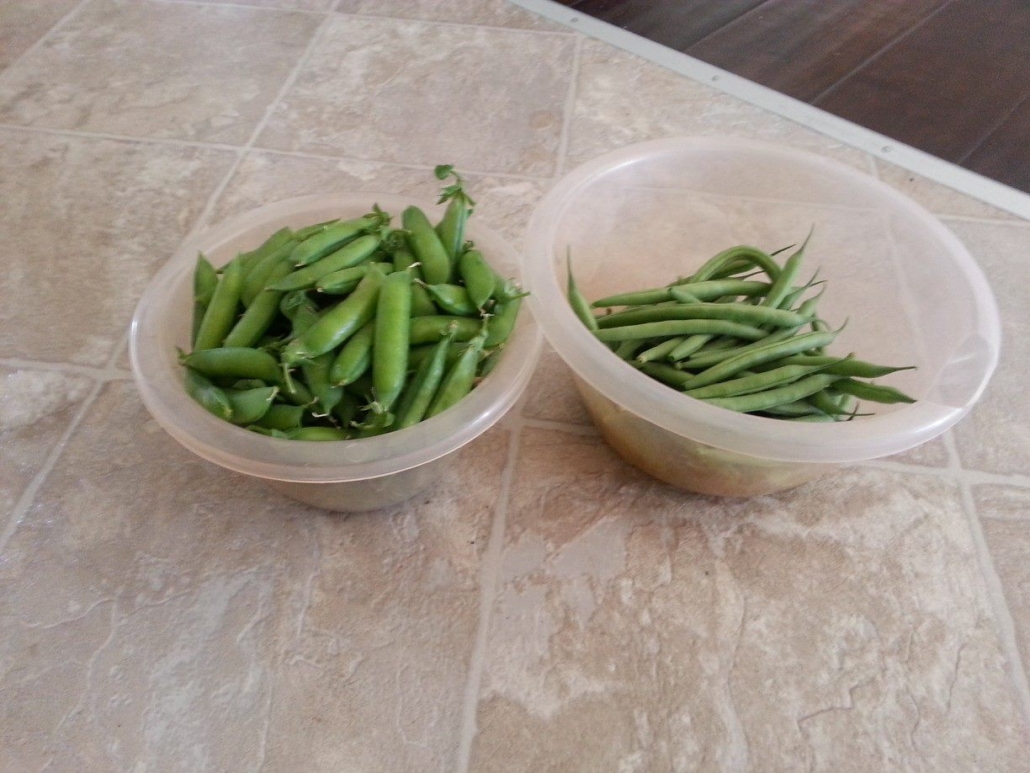
- Example #1: In Cochrane I have success with lettuce (multiple varieties), peas, beans, potatoes, etc.
- Example #2: In Cochrane I do not have success with peppers or other plants that require transplanting from a starter.
Microclimates:
Local factors such as elevation, proximity to bodies of water, and cities create microclimates that differ from the official zone.
- Example: Within Cochrane, those of us on the top of the hill have a different microclimate than those who live in the valley or close to the river.
- Example: I have attempted to grow corn on the cob in 3 different parts of my yard, have tried starting them indoors, have purchased pre-started plants from the greenhouse, and I just cannot grow corn! I end up with teeny tiny 2-4 bite cobs, usually 1 cob per plant on average. Just know its okay to have fail. From year to year I have varying crops that excel or flop.
Tips:
- Local nurseries, gardening clubs, and horticultural experts can provide valuable insights into the best plant choices for your area.
- Pay attention to weather forecasts and be prepared to protect your plants. A frost or a storm can harm or damage your garden. A few times a year my own garden is covered in bed sheets!
My Garden Experience
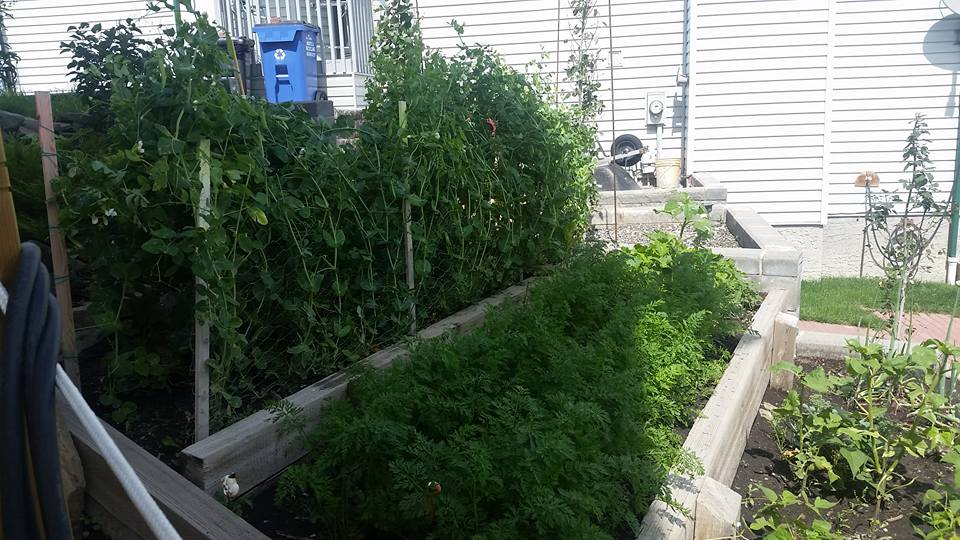
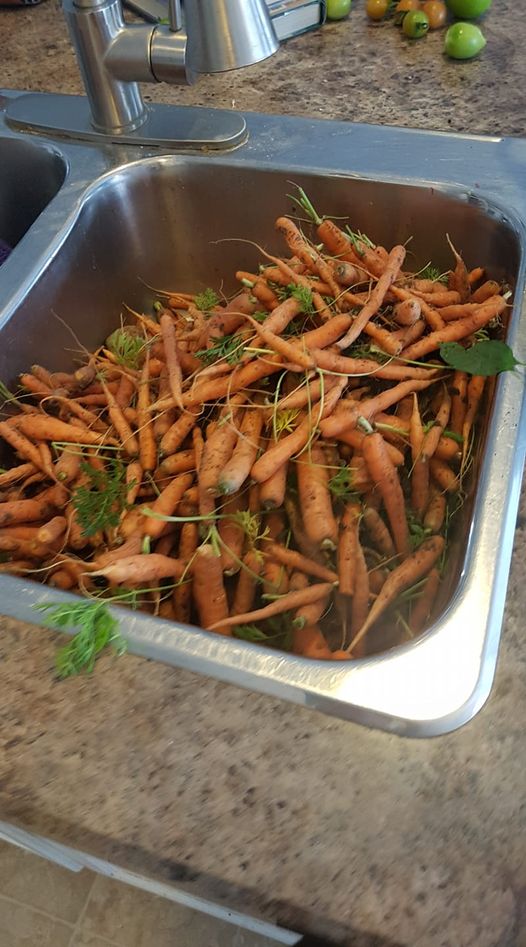
Now it’s time (as the kids say) for me to ‘flex’ and talk about about my own little garden. First, our uromastyx Sonny is shown enjoying some home grown dahlias & sunflowers. Our pets consist of a variety of Uromastyx, and bunny rabbits, all of which eat garden vegetables and flowers. I successfully grow to name a few: zucchini, potatoes, strawberries (sometimes), raspberries, pumpkins, and tomatoes. Perennials and Annuals are also a favorite of mine to watch grow. All you need is a garden space in the form of a bed, buckets, or planters plus sunshine, and a watering source. Just remember it takes trial and error!


Garden Seed Bank – Let Us Help You Get Started
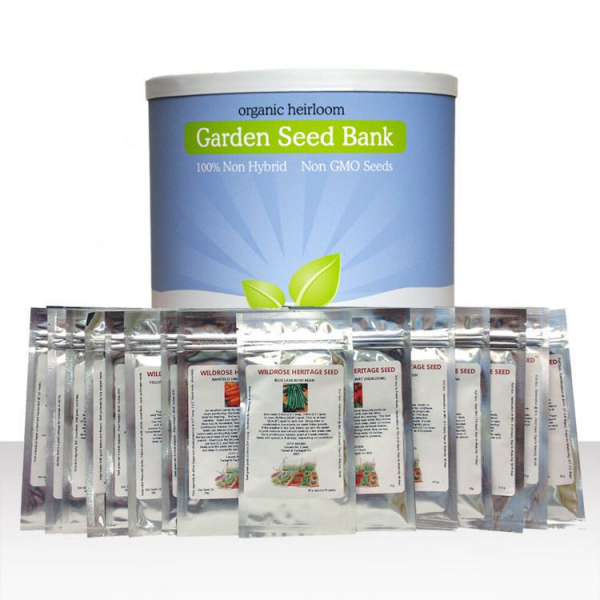
These seeds are part of our Garden Seed Bank:
Conclusion:
Understanding Canada’s plant hardiness zones is a fundamental beginning point for successful gardening in this incredible country. By selecting seeds and plants that are well-suited to your specific zone, you can create a thriving and vibrant garden, no matter where you are in this vast and beautiful land. Happy gardening!