
Wildlife Encounters: How to Stay Safe and Respectful in Nature

Exploring the great outdoors offers an exhilarating opportunity to connect and its magnificent inhabitants up close. However, venturing into the wilderness also means sharing space with wildlife, and understanding how to interact safely and respectfully with these creatures is important. Whether you’re a seasoned adventurer or a novice explorer, here are some tips to ensure harmonious wildlife encounters.
1. Educate Yourself:

Before embarking on any outdoor adventure, take the time to research the local wildlife species you may encounter. Learn about their behaviors, habitats, and any potential risks they pose. Understanding the animals’ natural tendencies will help you anticipate their actions and avoid dangerous situations.
- For example, if you’re hiking in bear country, familiarize yourself with bear behavior, such as signs of agitation or defensive postures.
Additionally, consider attending guided tours or workshops led by wildlife experts to deepen your knowledge and gain valuable insights into the region’s ecology. These experiences can provide firsthand learning opportunities and equip you with the skills needed to navigate wildlife encounters responsibly. Most National Parks have a variety of free education options available.
2. Keep Your Distance:

Respect the personal space of wildlife by maintaining a safe distance at all times. Use binoculars or a zoom lens to observe animals from afar, allowing them to go about their daily routines without feeling threatened. Approaching too closely can stress the animals and provoke defensive behaviors. Remember, even seemingly docile creatures like deer or elk can become agitated if they feel cornered or harassed.
It’s crucial to understand the concept of a “safety zone,” which varies depending on the species and the situation.
- For example, the recommended distance for viewing large predators like wolves or mountain lions is much greater than that for observing birds or smaller mammals. Always err on the side of caution and give wildlife ample space to move freely.
3. Practice Leave No Trace:

Leave No Trace principles advocate for minimal impact outdoor practices to preserve the environment and its inhabitants. Dispose of waste properly, refrain from feeding wildlife, and avoid disturbing their habitats. By minimizing human interference, you help maintain the delicate balance of ecosystems.
Incorporate Leave No Trace principles into your outdoor activities by packing out all trash, including biodegradable items like fruit peels or food scraps. Avoid building campfires in sensitive habitats or using soap in natural water sources to prevent contamination. Respect trail closures or restrictions designed to protect vulnerable wildlife populations or habitats undergoing restoration.
Don’t feed the wildlife! Even the squirrels, chipmunks and ducks!
4. Stay Alert and Vigilant:
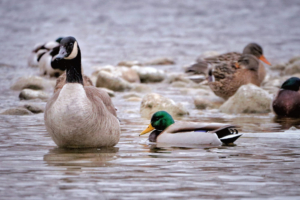
Be vigilant and attentive to your surroundings while exploring nature. Keep an eye out for signs of wildlife activity, such as tracks, droppings, or rustling in the bushes. Stay alert, especially in areas known to be frequented by large predators, and always be prepared to react calmly and responsibly.
Practice situational awareness by scanning your surroundings regularly and listening for any unusual sounds that may indicate the presence of wildlife nearby. When hiking or camping in bear country, make noise periodically to alert bears of your presence and avoid startling them. Carry bear spray and know how to use it effectively in the event of an encounter.
It is recommended that you do not wear headphones or earbuds while hiking so you are able to hear your surroundings.
5. Respect Wildlife Boundaries:
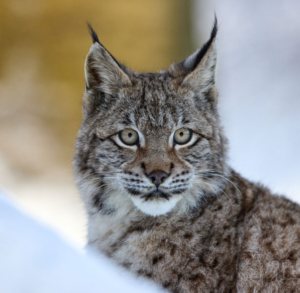
Many wildlife species are protected by laws and regulations that prohibit harassment or interference. Respect these boundaries by adhering to designated viewing areas and obeying signage indicating restricted zones. Your actions can have significant consequences for both the animals and their habitats.
Take heed of seasonal closures or restrictions implemented to protect wildlife during critical periods such as nesting, breeding, or hibernation. Avoid venturing off-trail or disturbing sensitive habitats, particularly in areas where endangered or threatened species reside. By respecting wildlife boundaries, you contribute to the preservation of natural ecosystems and ensure the well-being of native wildlife populations.
6. Prepare for Encounters:
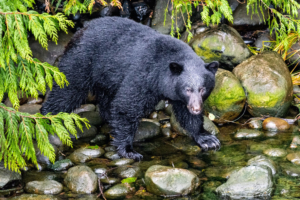
Carry essential safety gear such as bear spray, noise makers, or a whistle when venturing into areas with potential wildlife encounters. Familiarize yourself with proper use techniques and remain calm in the event of an unexpected encounter. Remember, most animals prefer to avoid human interaction and will retreat if given the chance.
In addition to safety equipment, consider bringing along wildlife identification guides or apps to help you recognize local species and understand their behaviors. Practice using your gear before heading into the field to ensure you can deploy it effectively in an emergency situation. Being prepared not only enhances your safety but also instills confidence and peace of mind during outdoor adventures.
7. Travel in Groups:

When exploring wilderness areas, travel in groups whenever possible. Not only does this enhance safety by providing strength in numbers, but it also reduces the likelihood of surprising wildlife. Make noise periodically to alert animals of your presence, giving them the opportunity to avoid confrontation.
Engage in conversation or clap your hands to create audible signals that announce your presence and deter wildlife from approaching. Avoid hiking alone, especially in remote or unfamiliar areas where assistance may be limited. By traveling in groups, you can share the experience with others while mitigating potential risks associated with solitary excursions.
8. Be Mindful of Breeding Seasons:

During breeding seasons, wildlife may exhibit heightened aggression or territorial behavior to protect their young. Research the breeding cycles of local species and exercise extra caution when navigating their habitats during these times. Avoid disturbing nesting sites or dens to minimize stress on vulnerable offspring.
Stay informed about wildlife activity patterns and breeding seasons through local wildlife agencies, park websites, or visitor centers. Plan your outdoor adventures accordingly, avoiding sensitive areas during critical periods of reproduction or rearing. By respecting wildlife’s breeding seasons, you help safeguard their reproductive success and ensure the continuity of future generations.
9. Remain Calm and Respectful:

In the event of a wildlife encounter, remain calm and composed. Avoid sudden movements or loud noises that may startle the animals. Respect their space and observe from a safe distance, allowing them to move freely without feeling threatened. Remember, you are a guest in their home.
Practice mindfulness and empathy towards wildlife, acknowledging their right to exist undisturbed in their natural habitats. Avoid pursuing animals for the sake of photography or entertainment, prioritizing their well-being over personal interests. By cultivating a respectful attitude towards wildlife, you foster a deeper appreciation for the interconnectedness of all living beings and their environments.
10. Report Concerns or Incidents:
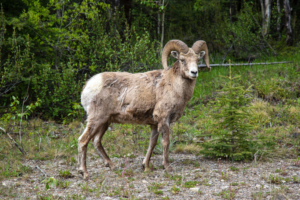
If you encounter injured, distressed, or aggressive wildlife, report the incident to local authorities or wildlife agencies immediately. Do not attempt to intervene or handle the situation yourself, as this can pose risks to both you and the animals. Your prompt action can help ensure the safety of both wildlife and fellow outdoor enthusiasts.
Provide detailed information about the location, species involved, and any observed behaviors to facilitate an appropriate response from wildlife professionals. Follow any instructions or guidance provided by authorities to ensure the safety of yourself and others in the vicinity. By reporting concerns or incidents promptly, you contribute to the conservation efforts aimed at protecting wildlife and preserving their natural habitats.
In conclusion, enjoying wildlife encounters in nature is a privilege that comes with responsibilities. By staying informed, respecting boundaries, and prioritizing safety, you can foster positive interactions with wildlife while preserving the integrity of their habitats for future generations to enjoy. Let’s cherish and protect the wonders of the natural world, one respectful encounter at a time.

